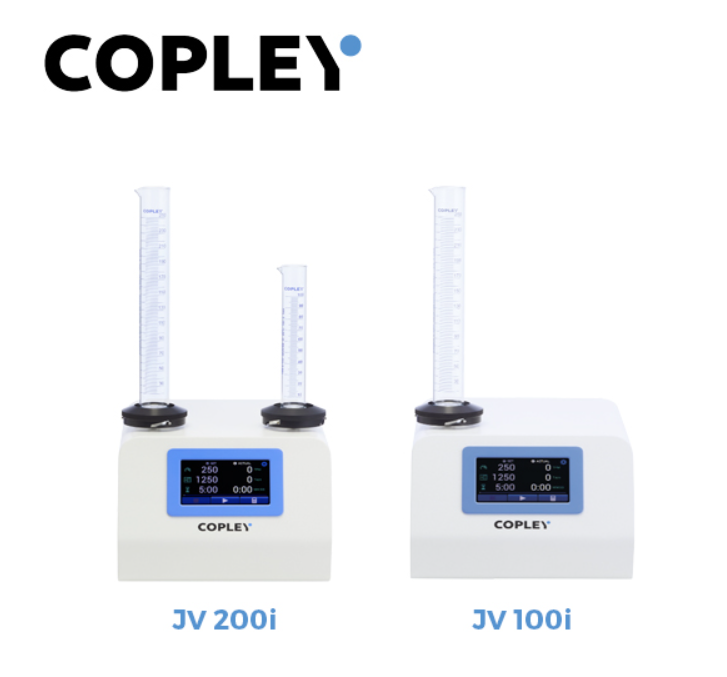
Tap Density Tester in Egypt | Powder Flow & Pharmaceutical QC
Choose a reliable tap density tester in Egypt for pharmaceutical powder characterization, formulation development, powder-flow evaluation and routine quality control.
Gemicatech supplies tap density testing equipment for laboratories working with pharmaceutical powders, excipients, granules and other particulate materials.
Looking for a tap density tester?
Send us your powder type, applicable testing standard, sample quantity, expected workload and laboratory location. Our team can help you select the right pharmaceutical tap density tester .
Request the Best Price Talk to an Expert Build Your QC LabArticle Sections
| Section | What You Will Learn |
|---|---|
| What Is Tap Density Testing? | The purpose of measuring tapped density in powder testing. |
| Bulk Density vs. Tapped Density | The difference between loose powder volume and packed powder volume. |
| Powder Flow and Packing Behavior | How tapping reveals powder packing and flow-related behavior. |
| Carr Index and Hausner Ratio | How common powder-flow indicators are calculated. |
| Pharmaceutical Applications | How tap density testing supports formulation and manufacturing. |
| Buying Guide | The specifications to review before purchasing. |
| Powder QC Workflow | How tap density fits into broader powder testing. |
| FAQ | Answers to common technical and purchasing questions. |
What Is Tap Density Testing?
Tap density testing measures the volume or density change that occurs when a powder sample is mechanically tapped under controlled conditions.
When powder particles are tapped, they may rearrange and occupy less space. Comparing the initial powder volume with the final tapped volume helps the laboratory understand packing behavior, compressibility and possible flow characteristics.
A tap density tester is therefore useful for evaluating pharmaceutical powders, excipients, granules and other particulate materials used in manufacturing and formulation development.
Powder Packing
Evaluate how particles rearrange and settle after controlled tapping.
Flow Evaluation
Support the calculation of indicators related to powder flow behavior.
Formulation Support
Compare excipients, blends and granules during development and scale-up.
Bulk Density vs. Tapped Density
Bulk density describes the mass of a powder divided by its volume before intentional mechanical compaction. This volume includes the spaces between particles.
Tapped density is measured after the powder container has been mechanically tapped for a defined procedure. The tapping allows particles to settle and reduces some of the void space between them.
| Property | Bulk Density | Tapped Density |
|---|---|---|
| Powder condition | Loose or untapped powder. | Powder after controlled tapping. |
| Particle arrangement | Includes more interparticle void space. | Particles are more settled and packed. |
| Laboratory value | Shows initial powder packing behavior. | Shows the response to mechanical settling. |
| Common use | Initial density and volume assessment. | Compressibility and flow-related evaluation. |
Powder Flow and Packing Behavior
Powder flow depends on several factors, including particle size, particle shape, moisture, surface properties, cohesion and the presence of fine particles.
The difference between bulk density and tapped density can provide useful information about how strongly a powder settles when exposed to mechanical movement.
A powder that undergoes a substantial volume reduction during tapping may exhibit higher compressibility or stronger interparticle interactions. However, flowability should be interpreted using the complete approved procedure and, where required, additional powder-flow tests.
Carr’s Compressibility Index and Hausner Ratio
Tap density results are commonly used with bulk density results to calculate powder-flow indicators such as Carr’s Compressibility Index and the Hausner Ratio .
These calculations are useful for comparing powder batches and assessing changes in compressibility and packing behavior. Higher values generally indicate greater densification during tapping, but the interpretation should follow the laboratory’s selected standard and material-specific experience.
Pharmaceutical Applications of Tap Density Testing
A pharmaceutical tap density tester can support several stages of pharmaceutical development and quality control.
- Formulation development: Compare excipients, active ingredients and powder blends.
- Tablet development: Study powder packing before compression and granulation.
- Capsule filling: Evaluate powder behavior relevant to filling consistency.
- Granule evaluation: Compare granules produced by different manufacturing conditions.
- Process development: Support decisions related to blending, transfer and handling.
- Batch comparison: Identify changes in powder density and packing behavior between batches.
- Raw-material qualification: Support the comparison of suppliers and incoming materials.
Tap Density Testing in Powder and Material Processing
Tap density testing is not limited to pharmaceutical materials. It can also support the evaluation of powders, granules and particulate materials used in food, chemicals, ceramics, minerals and other manufacturing sectors.
The test can help compare how different materials settle, pack and respond to controlled mechanical movement.
For material laboratories, the test may be used alongside particle-size analysis, moisture measurement, bulk-density testing, angle-of-repose testing and other characterization methods.
How Does a Tap Density Tester Work?
A known quantity of powder is placed into a suitable graduated cylinder or vessel. The initial powder volume is recorded before the tapping process begins.
The instrument then raises and drops or mechanically taps the container using controlled operating conditions. The powder volume is monitored after a defined number of taps or until the selected endpoint is reached.
The final volume can then be used with the sample mass to calculate tapped density and related powder-flow indicators.
- Prepare and identify the powder sample.
- Measure or record the sample mass.
- Fill the specified cylinder or vessel.
- Record the initial untapped volume.
- Run the controlled tapping procedure.
- Record the final tapped volume.
- Calculate density and related indices.
- Document the result according to the laboratory procedure.
How to Choose a Tap Density Tester in Egypt
Start with the Applicable Method
Identify the USP, Ph. Eur. or internal procedure used by your laboratory. The method may define the vessel, sample quantity, tapping conditions, endpoint and calculation requirements.
Review the Sample Type
Consider whether the instrument will be used for fine powders, granules, excipients, active ingredients or mixed materials. Sample properties can affect the selected accessories and test configuration.
Check Tapping Control
Review how the tapping motion, tapping frequency, number of taps and test duration are controlled. Repeatable operation is important for meaningful batch comparisons.
Confirm Cylinder and Vessel Compatibility
Ask which cylinders, measuring vessels and accessories are supplied with the instrument and whether they match your laboratory procedure.
Evaluate Data and Calculations
Check whether the system supports volume readings, density calculations, Carr’s Index, Hausner Ratio, result storage and data export.
Consider Cleaning and Maintenance
If the instrument will be used with different powders, easy cleaning and practical access to the testing components can help reduce cross-contamination risks and downtime.
Ask About Support in Egypt
Confirm delivery, installation, operator training, verification, maintenance, spare parts and after-sales service before purchasing the equipment.
| Selection Factor | Why It Matters | Question for the Supplier |
|---|---|---|
| Applicable Method | Ensures the instrument matches the laboratory procedure. | Does the tester support the required USP, Ph. Eur. or internal method? |
| Tapping Control | Supports repeatable powder settling conditions. | How are tapping frequency, duration and number of taps controlled? |
| Cylinder Configuration | Affects sample volume and measurement compatibility. | Which cylinders and accessories are included? |
| Calculations | Helps determine density and powder-flow indicators. | Are Carr’s Index and Hausner Ratio calculated by the system? |
| Data Output | Supports documentation and result review. | Are USB, RS232 or other data-output options available? |
| After-Sales Service | Helps maintain availability and reliable operation. | Is local technical support available in Egypt? |
Tap Density Testing in the Pharmaceutical QC Workflow
Tap density testing is one part of a wider powder and material characterization program. Depending on the product and process, laboratories may also evaluate particle size, moisture, bulk density, flow rate, angle of repose, shear behavior and compressibility.
For tablet-related testing, visit Tablet Friability Tester , Tablet Hardness Testers , Tablet Disintegration Tester DTGi and Tablet Dissolution Tester DIS Series .
For the broader testing workflow, read Pharma Tablet Testing Equipment Egypt | Best Price .
Common Mistakes When Buying a Tap Density Tester
- Choosing a model without confirming the applicable test method.
- Focusing only on price instead of method compatibility and support.
- Ignoring the required cylinder or vessel configuration.
- Failing to confirm tapping frequency and test-duration control.
- Assuming that all powder-flow indices have the same interpretation for every material.
- Not checking whether density, Carr’s Index and Hausner Ratio calculations are available.
- Ignoring sample preparation, moisture and cleaning requirements.
- Purchasing equipment without asking about training, verification and service.
Why Buy from Gemicatech?
Gemicatech supplies tap density testing equipment in Egypt for pharmaceutical, research, development and material-processing laboratories.
- Support for pharmaceutical QC and R&D laboratories.
- Guidance on powder-density and powder-flow testing solutions.
- Quotation support based on your material and test procedure.
- Delivery and installation coordination in Egypt.
- Operator guidance and after-sales service.
- Support for related pharmaceutical testing equipment.
Explore our Pharmaceutical Industry Solutions and related Laboratory Testing Equipment .
Related Pharmaceutical and Powder Testing Products
Frequently Asked Questions
What Is a Tap Density Tester?
A tap density tester measures changes in powder volume or density after controlled mechanical tapping.
What Is the Difference Between Bulk Density and Tapped Density?
Bulk density is measured before intentional mechanical compaction, while tapped density is measured after the powder has been mechanically tapped according to a defined procedure.
What Is the Relationship Between Tap Density and Powder Flow?
The change between bulk and tapped density can help indicate powder packing, compressibility and flow-related behavior. It should be interpreted with the relevant test method and material characteristics.
What Are Carr’s Index and Hausner Ratio?
Carr’s Index and Hausner Ratio are calculated from bulk-density and tapped-density results. They are commonly used to compare powder compressibility and flow-related behavior.
Can Tap Density Testing Support Pharmaceutical Formulation?
Yes. Tap density testing can support excipient comparison, powder-blend evaluation, granule development, capsule-filling studies and process development.
Can Gemicatech Supply a Tap Density Tester in Egypt?
Yes. Gemicatech supplies tap density testing equipment in Egypt and can support product selection, quotation, delivery coordination and after-sales service.
Buy a Tap Density Tester in Egypt
Send your powder type, applicable testing procedure, sample quantity and data requirements. Get professional guidance and the best available quotation for a pharmaceutical tap density tester in Egypt .
Request the Best Price Contact on WhatsApp After-Sales Support